
The Financial and Functional Value of Investing in Dental Implants
Loss of teeth affects more than just your appearance—it can influence your ability to chew, talk, and even feel self-assured in social scenarios. Although dentures and bridges provide temporary solutions, dental implants have become the preferred choice for a lasting tooth replacement. So, what makes them such a smart investment in both financial and functional terms?
Let’s examine why dental implants aren’t just a cosmetic fix—they’re a practical, long-lasting, and economical option for people looking to enhance their oral health.
A Long-Term Financial Investment
While the upfront cost of dental implants may seem higher compared to alternatives like dentures or bridges, their durability can save patients significant money over time. Traditional dentures often require replacements or adjustments every 5 to 10 years, not to mention additional adhesives, cleaning products, and occasional repair costs. Bridges, too, can fail or require replacement due to wear or decay in the supporting teeth.
Unlike other solutions, dental implants are intended to endure for many years—often for a lifetime—when maintained correctly. This lasting durability results in fewer return visits and a lower need for upkeep, making implants a more cost-effective choice over time. When you consider the total costs of temporary options, implants frequently stand out as the more financially wise decision.
Restoring Everyday Functionality
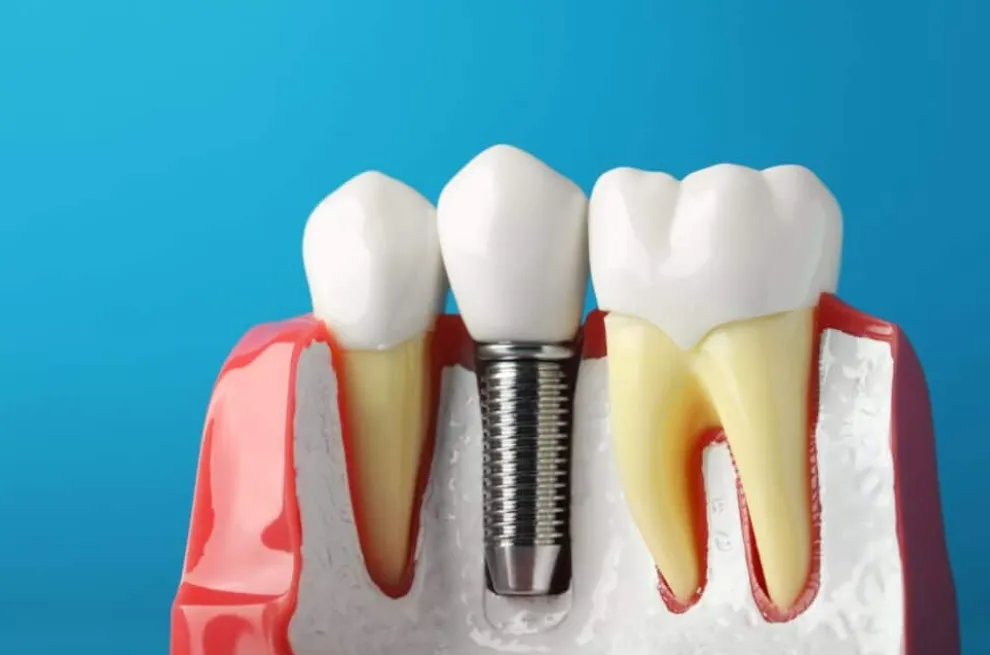
Beyond cost, functionality plays a key role in the value of dental implants. They replicate the root of a natural tooth, anchoring securely into the jawbone and providing unparalleled stability. This means no slipping while eating or speaking, which are common complaints with removable dentures.
Implants also allow patients to eat a wider variety of foods, including tougher items that might be off-limits with other dental prosthetics. From a nutritional standpoint, this leads to a better diet, which contributes to improved overall health. Speech also tends to improve, as implants eliminate the slurred or mumbled words often associated with ill-fitting dentures.
Supporting Long-Term Oral Health
Dental implants enhance oral health by preserving jawbone density. When a tooth is lost, the nearby jawbone begins to deteriorate due to a lack of stimulation. Implants mimic the natural pressure exerted by a tooth root, which helps maintain bone mass and the shape of the face.
Additionally, unlike traditional bridges, implants don’t require modifying adjacent teeth. This preserves the structure of natural teeth and reduces the chance of future dental problems.
If you’re considering this tooth replacement option, it’s advantageous to explore dental implants with northwickmanordental.co.uk, where experienced professionals assist patients throughout the entire process—from the initial consultation to aftercare.
A Confident, Lasting Smile
One of the most underestimated benefits of dental implants is their psychological impact. Regaining a full, natural-looking smile can dramatically boost self-esteem and social confidence. This emotional payoff, paired with the long-term practical benefits, makes dental implants a holistic investment in quality of life.
While cost is always a consideration, the long-lasting function, aesthetic appeal, and health benefits of dental implants offer exceptional value. When weighed against the frequent replacements and limitations of other options, implants clearly stand out as a smart decision for those seeking permanent dental restoration.